


*This article first appeared in The Muse’s 75th Anniversary Print Supplement magazine, published January 2026.
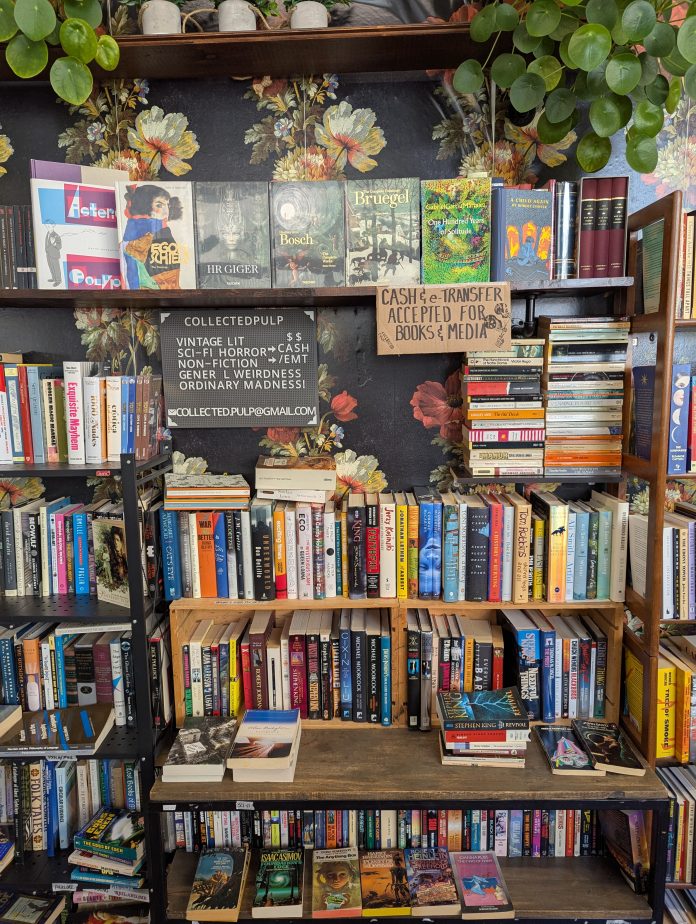
Self-proclaimed ‘conduit’ for books, Josh Hutchings, runs curated secondhand haven Collected Pulp with one mission in mind: keeping physical media accessible to St. John’s residents.
Collected Pulp prioritizes customer affordability above all else, pricing books relatively low compared to sticker-shock rates running rampant through big bookstores nowadays.
A lifelong reader and longtime bookseller, Hutchings reflects on the social conventions surrounding media, ownership in the digital age, and the dangers of nostalgia.
“There’s this trope,” he says, “that young people are uninterested in stuff… but it really seems like younger people are trying to reach out to things that are more tangible.”
Hutchings designates a particular type of excitement for Gen Z customers when they find an especially “rad cover,” an old pocketbook, or a friend who loves the same author — a phenomenon he describes as “the look of a cover or just something that speaks to you, attaches to you.”
“People are starting to see how ephemeral everything is,” the bookseller stated. According to him, there appears to be a radical shift back to owning physical media as people become increasingly frustrated with relentless digitization, sneaky post-release censorship, and the unsteady, “renting” framework of streaming services.
“You see people saying, ‘I just bought this movie on Amazon. I’ll have it forever.’ Well, the license runs out, and it’s just gone. You don’t own any of that stuff. It’s digital.”
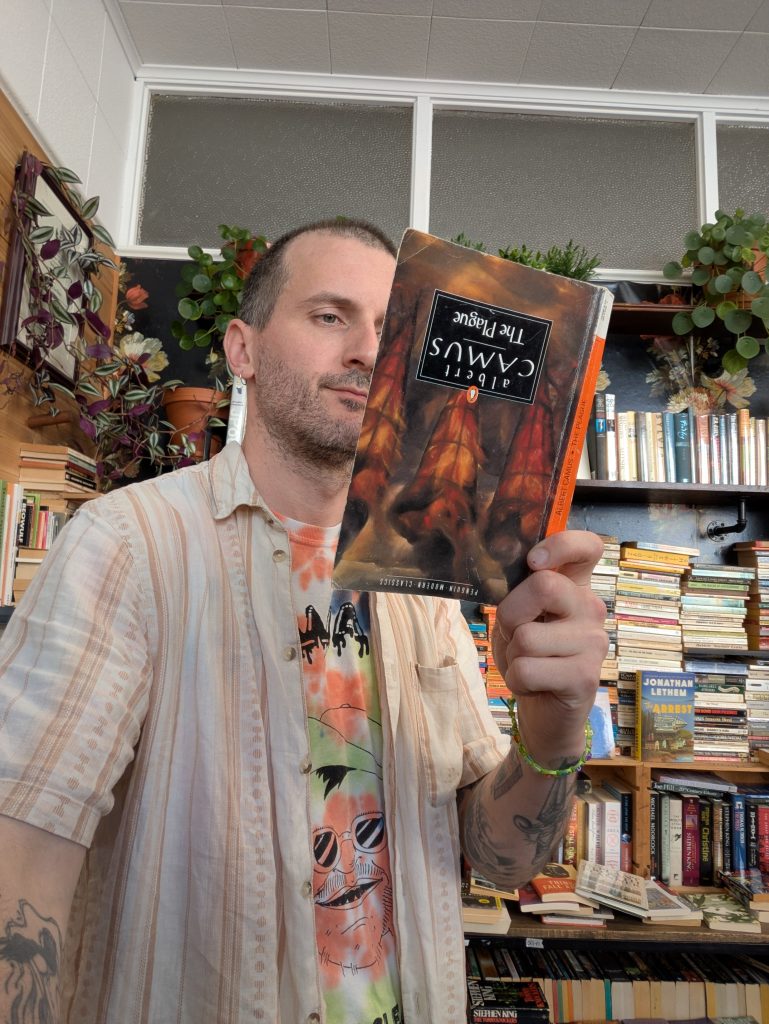
Ever had a great album or book ruined for you after a breakup? While Hutchings champions reading and owning physical media, he cautions consumers against getting too attached or associating people and situations with their favourite bits of fiction.
“Everything’s very nostalgic now,” Hutching explained, joking about how, as he ages, all physical media holds some sort of retro quality apart from the story attached. “Books never change, though. The book is literally always there; it won’t change for you, or it can have that nostalgic factor that leans towards unhealthy.”
Repeated consumption of the same media can offer comfort, sure, but there comes a point when romanticization veers into dangerous territory. To Hutchings, it’s not that a song or book is objectively bad, just that dwelling on an unpleasant memory or traumatic event associated with it may trouble your ability to get past it.
Though the looming destructive potential of nostalgia persists, Collected Pulp proves the value in accessibility, actually owning things, and allowing yourself to get excited about physical media.