




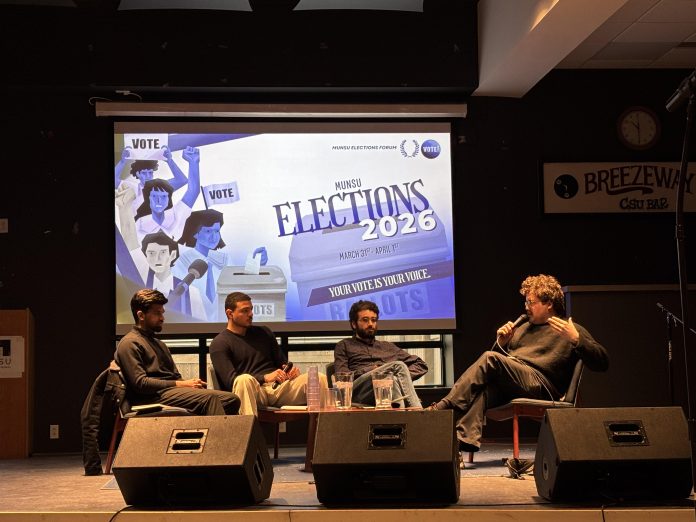

Monday evening, the MUNSU Candidate Forum took place at the Breezeway. Each candidate spoke about their platform and what they would do as MUNSU executives.
Below is a breakdown on each candidate.
Isfak Ahmed Nehal – Executive Director of Finance and Services
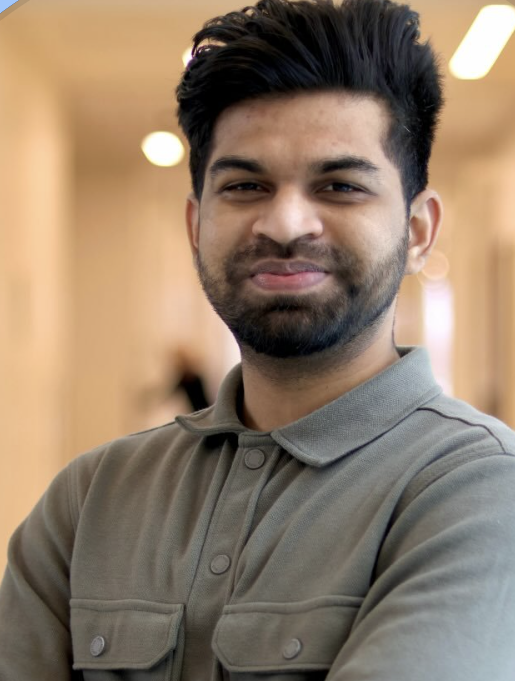
Isfak Ahmed Nehal introduces his goal of “fixing the issues first”. Explaining that his focus is on transparency, accountability, and communication regarding budgeting within the position.
Isfak plans to bring his previous experience to the table, where he said he has had a myriad of familiarity both with budgeting and with staff management.
He highlighted the importance of communication and understanding between staff and management, providing help and accommodations in order to stay goal oriented.
If elected, he says plans to bring an open line of communication regarding MUNSU’s financial decisions to the stakeholders and the student body alike. He will ensure statements are released on time and plans on communicating with student groups to ensure that they are not only aware, but involved in decisions being made.
By working collectively, Isfak hopes to keep CHMR open. He says that their work and their influence is invaluable to our students so it’s important to support them while we find a solution together.
Nathan Gillingham – Executive Director of Finance and Services
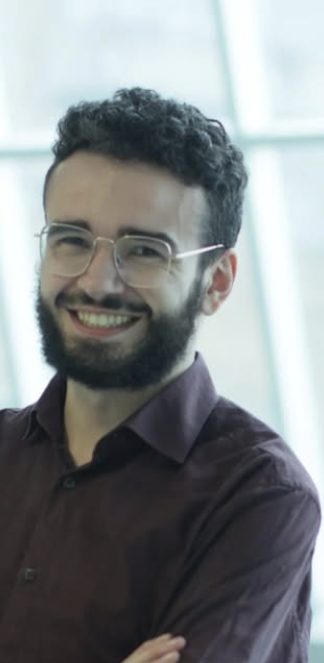
Gillingham said he has two main priorities if elected: to prioritize budgeting for student life on campus, and to slash executive privileges such as course reimbursements, while ramping up operations and revenues from services like The Breezeway.
He suggested implementing more events, including a pool and dart league, and working with clubs and societies to achieve these goals.
Gillingham said it takes at least seven months to truly understand how the student union runs, describing it as “an operational machine.”
He said the student union requires experience and that he has a burning passion and has proven himself. Furthermore, he suggests implementing workshops, and hearing from the student body about what they want to see added to MUNSU’s services such as The Breezeway, The Attic, and more. He believes students should have direct feedback into where their finances are going.
On the potential closure of CHMR, Gillingham says that “it’s not a problem with CHMR,” and we should be proud of the service. He also states that young people have a “different media landscape” and that “not a lot of young people listen to the radio.”
He adds that it would be best for “CHMR to pursue independence,” and that it “shouldn’t be on the back of students who don’t use this service.”
Ziad Ahmed – Executive Director of Finance and Services
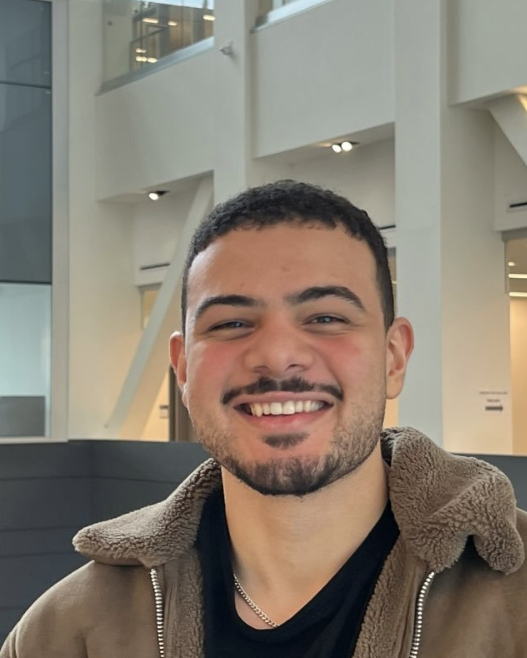
One of the goals Ahmed highlighted at the forum was for more transparency with how MUNSU handles its finances.
Ahmed believes that knowing “where the students want their money to go” and setting weekly, monthly and yearly goals with MUNSU finances will help create more transparency and help them manage their finances better.
He made an emphasis on listening to students’ ideas and stressed the importance of having someone who knows how to work with the students.
Lastly, in regards to CHMR. Ahmed said “we can’t view CHMR as another financial liability and just go on our day with it… this is not just a [single] department issue, we are facing this issue in multiple other departments.”
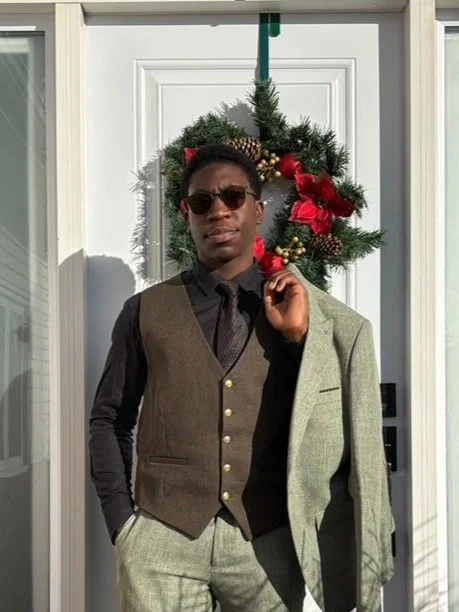
Stephen Ehigie – Executive Director of External Affairs, Communications and Research
Ehigie believes both his experiences serving on board of directors and as Black Student Representative makes him a qualified candidate for this role.
The main goals Ehigie would like to achieve should he be elected would be to reduce tuition for all students at MUN, and also to ensure that students who are in work terms are getting paid for their work.
He also highlighted an identity crisis at MUNSU, claiming many students aren’t even familiar with MUNSU, even though they fund the union.
He believes one way to fix this issue would be by being in constant communication with students, and while stressing the importance of social media, that “nothing is better than in person communication.”
In regards to CHMR, Ehigie said “I genuinely believe that CHMR needs to be cut off,” mainly because of the $300k deficit MUNSU is facing.
Taqi Yeasir – Executive Director of External Affairs, Communications and Research
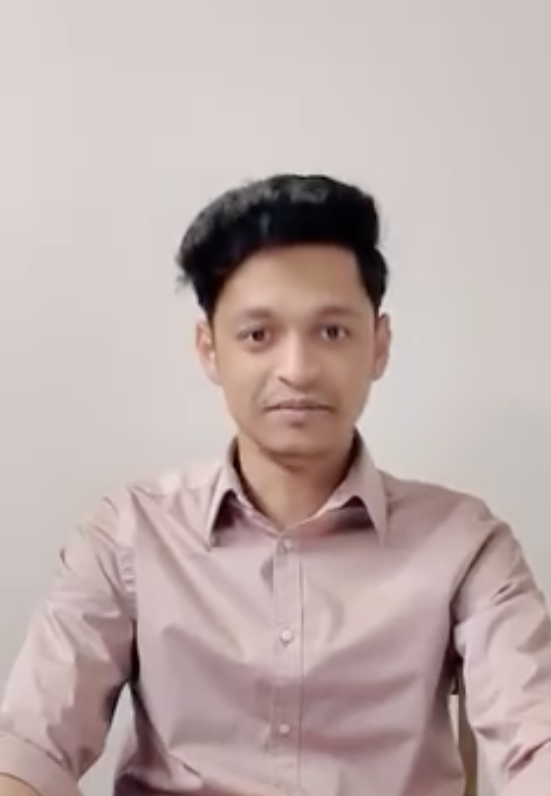
Taqi is running on a simple slogan: “Save MUNSU, save MUN.” He believes that addressing many of the issues MUN has been facing lately start with building a strong, resilient student union to be the voice of the students.
He aims to lower tuition, and bring better healthcare for students. He has experience speaking with media, and hopes to increase student participation in order to better achieve his goals.
He’s also choosing to hang his hat on the idea of bringing back homecoming. He knows what he wants to do is a lot, but remains undeterred. He said it himself: “I will keep my promises.”
Rana Abuidris – Executive Director of Campaigns
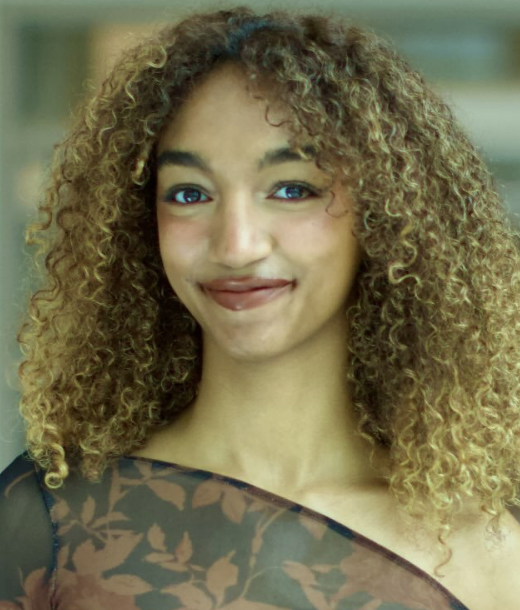
Seeking re election in her role, Rana is looking to wrap up her unfinished business should she return to MUNSU.
She wants to address unpaid work terms for students, and institute need-based scholarships for students from war-torn countries. She wants to institute a donor portal for MUNSU, allowing people to easily donate towards student bursaries.
She says that there will be no more fake promises with her in the picture. Rana is vying to go for round two as an executive, and thinks this second year will allow more possibilities to fulfill her goals at MUNSU. She believes that “one year is not enough for meaningful change.”
Sanaa Mrad – Executive Director of Advocacy
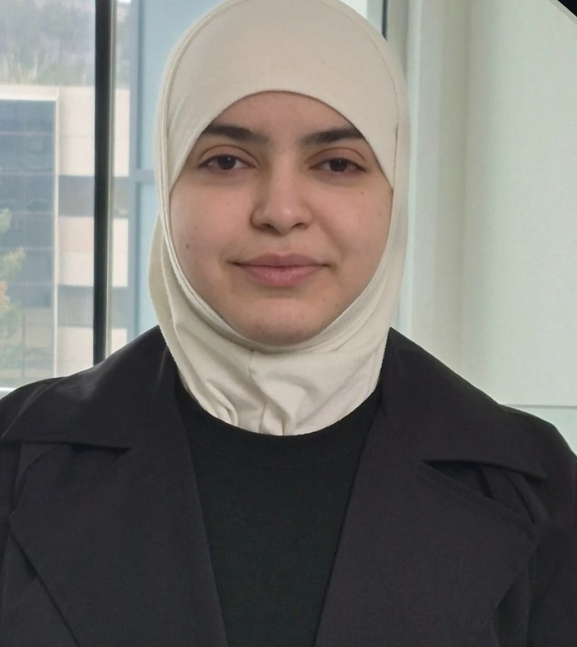
Sanaa Mrad is running for Director of Advocacy with a focus on improving accessibility around campus. She is one of three candidates running for uncontested positions. Her campaign prioritizes accessibility, such as the lack of elevator maintenance around campus, along with better communication between the student body and the people of MUNSU.
While Sanaa may be a first time runner, she has previous experience with the student union and through that, aims to utilize this knowledge to make campus life more inclusive and responsive.
Director of Student Life candidate, Blake Colbran, was unfortunately unable to attend the event due to academic responsibilities.
Voting is now open for undergraduate students from March 31st to April 1st.